- Free shipping for all orders from $50+
- //
- Need help :+36 0123 456 789
- //
- 30% off every thing (yes, every thing )
- //
- Get an extra 25% off using the code 10 wello
- //
- Free shipping for all orders from $50+
- //
- Need help :+36 0123 456 789
- //
- Free shipping for all orders from $50+
- //
- Need help :+36 0123 456 789
- //
- 30% off every thing (yes, every thing )
- //
- Get an extra 25% off using the code 10 wello
- //
- Free shipping for all orders from $50+
- //
- Free shipping for all orders from $50+
- //
- Need help :+36 0123 456 789
- //
- 30% off every thing (yes, every thing )
- //
- Get an extra 25% off using the code 10 wello
- //
- Free shipping for all orders from $50+
- //

Category:
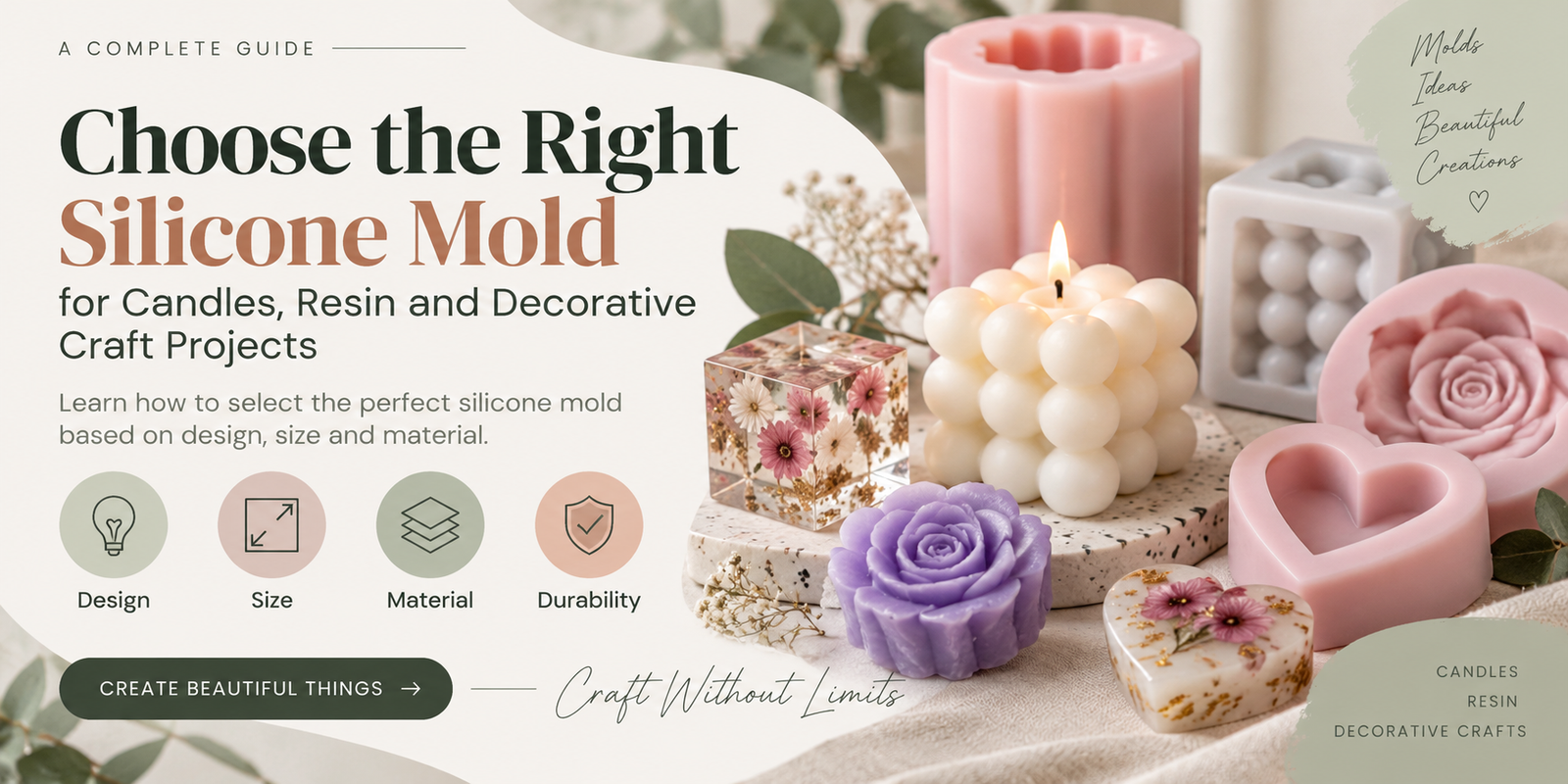
How to Choose the Right Silicone Mold for Your Craft Project
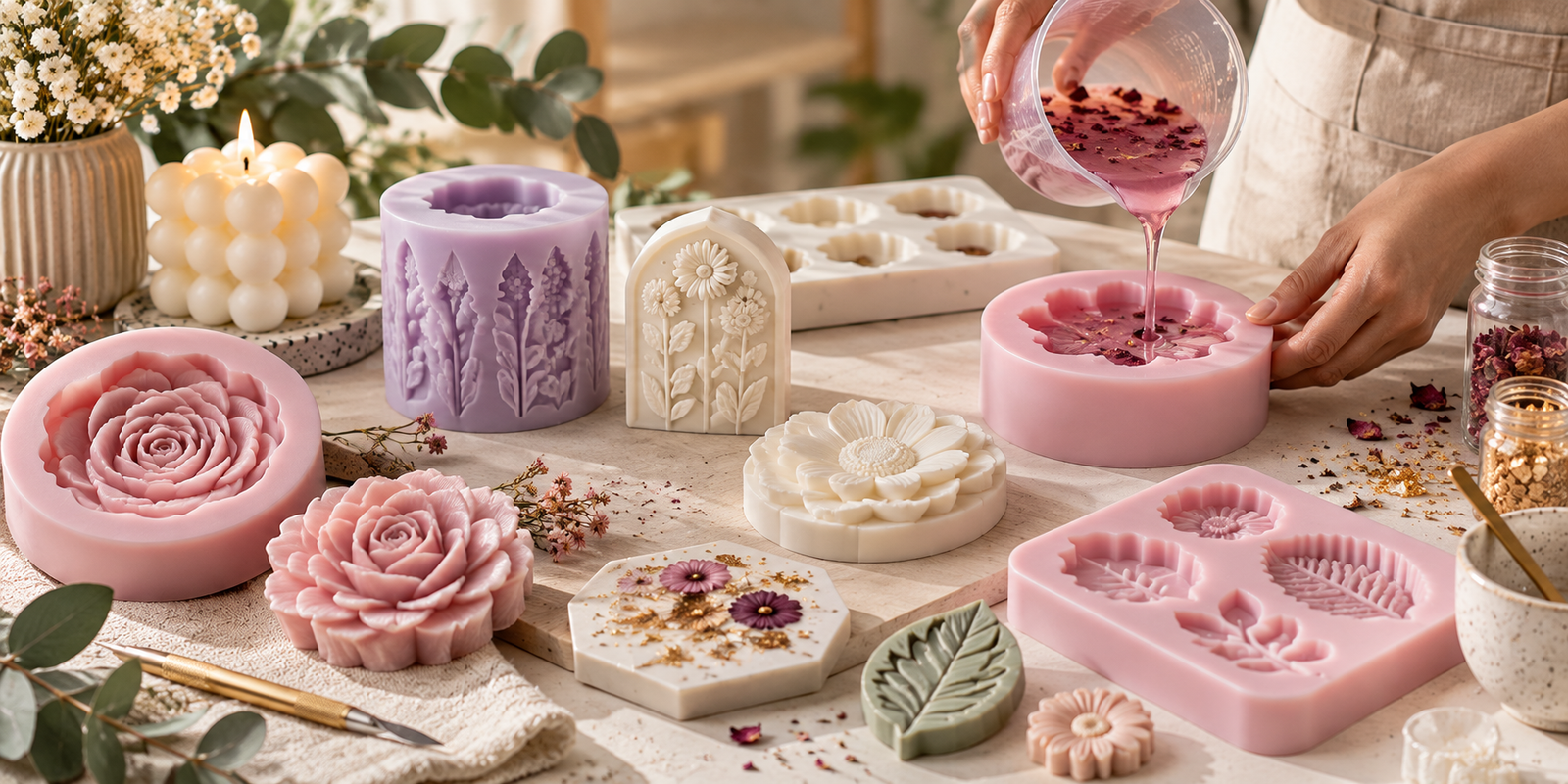
The mold you choose plays an important role in the final appearance of your handmade project. From detailed floral designs to decorative shapes, the right silicone mold can help you create consistent and attractive results. A well-designed mold not only gives your project its basic shape but can also capture small textures, patterns and decorative details that would otherwise take considerable time to create by hand.
Whether you are making decorative candles, resin pieces, soap designs or other suitable casting projects, taking a little time to select the right mold can make the entire process easier. The design, size, depth, level of detail and compatibility with your chosen material are all important factors to consider before starting your project.
Consider the Design
Start by thinking about the shape and level of detail you want in your finished piece. Floral, botanical and decorative molds are ideal when you want your project to have an intricate appearance without creating every detail by hand. A carefully selected design can also help you achieve a more professional and consistent appearance across multiple handmade pieces.
Think about the final purpose of your creation before choosing a design. A delicate floral pattern may work beautifully for decorative candles or small ornaments, while a simpler geometric design may be better suited to projects where clean and minimal shapes are preferred.
Think About Your Material
Different projects can use different casting materials. Depending on your project, you may work with candle wax, resin, soap or other suitable casting materials. Always make sure the mold is appropriate for the material and application you plan to use before beginning your project.
Understanding how your chosen material behaves can also help you select a suitable mold. Some materials may flow easily into fine details, while others may require a design with slightly wider sections and easier release points. Choosing a compatible mold can help reduce problems during filling, setting and removal.
Check the Size
The size of the mold determines the size of your finished creation. Small molds are useful for decorative elements, accessories and smaller handmade projects, while larger molds can be suitable for statement pieces, decorative objects and candles.
It is also worth considering the amount of material required for the project. A larger mold may require more wax, resin or other casting material, while smaller molds can be useful when you want to experiment with several designs without using a large quantity of material at once.
Look for Fine Details
Detailed silicone molds can capture small patterns, petals, leaves and decorative textures. These details can make a simple handmade project look much more refined and visually interesting. Floral and botanical designs are especially effective when you want the finished piece to have a natural and intricate appearance.
When choosing a highly detailed mold, look closely at the depth and definition of the design. Fine details are most useful when the mold can reproduce them clearly and the material you are using can flow into those areas effectively.
Consider Ease of Release
A good mold should allow the finished piece to be removed without unnecessary difficulty. Flexible silicone molds are useful for many casting projects because they can be gently flexed to help release the finished creation while reducing the risk of damaging delicate areas.
Pay particular attention to narrow sections, thin petals and deep decorative areas. These parts can be more delicate during removal, so choosing a design with practical release characteristics can make your crafting experience much easier.
Choose a Mold You Will Actually Use
Instead of selecting a mold only because its design looks attractive, think about the projects you enjoy making. Choosing versatile designs that match your preferred craft can help you get more value from your supplies and encourage you to experiment with new ideas.
Consider whether the mold can be used for several projects or variations. A floral design, for example, can become part of different decorative collections by changing the colors, materials or finishing techniques used in each project.
Plan Your Project Before You Start
Before filling the mold, prepare your materials and workspace so that everything you need is ready. Make sure the mold is clean, positioned securely and suitable for the material you are using. Planning these small details in advance can make the process smoother and help you concentrate on the creative side of the project.
It can also be useful to decide on your colors, finishing style and final purpose beforehand. Having a basic plan does not mean you cannot experiment, but it gives you a starting point and helps you avoid unnecessary material waste.
Experiment and Create
One of the best things about working with silicone molds is the opportunity to experiment. The same mold can produce completely different results depending on the material, color combination, finishing technique and way the finished piece is presented.
Try different combinations and take note of what works best for your projects. Over time, you will develop a better understanding of which mold shapes, sizes and details suit your preferred crafting style.
With the right mold and a little creativity, you can turn simple materials into beautiful handmade pieces. Taking the time to choose a suitable design, prepare your materials carefully and work patiently can help you achieve cleaner and more consistent results while enjoying the creative process.